
The Girl Who Wouldn’t Give Up
Meet Sam
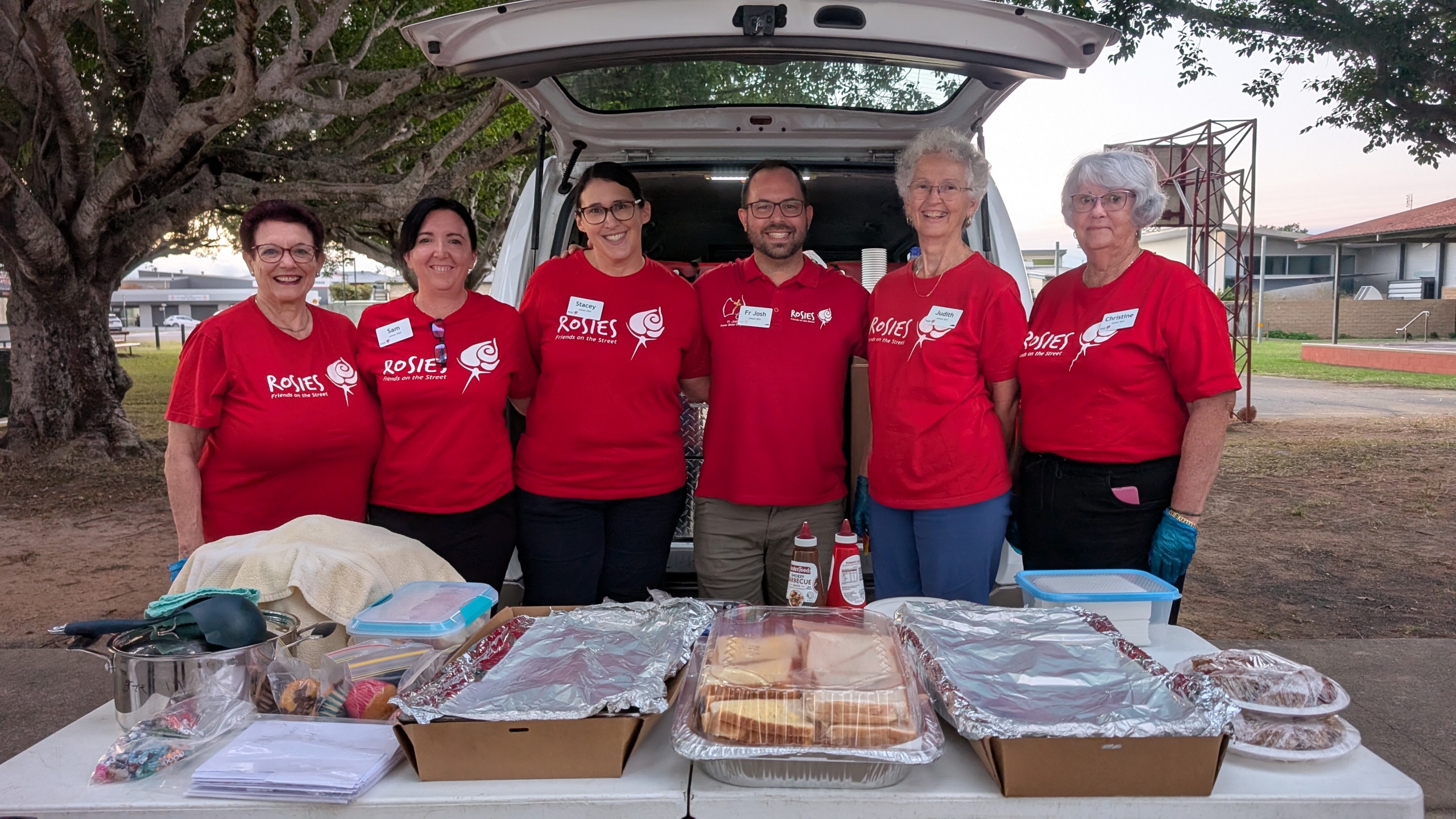
When Sam Malcolm looks at her fourteen-year-old daughter today, she often finds herself asking one question.
“What the hell? How did I do that?”
It’s a question that takes her back more than thirty years, to a time when she was fourteen herself. While most teenagers were worrying about homework, friends and what the future might hold, Sam was living alone in a caravan, trying to finish high school and, before long, raising her younger sisters.
Today, Sam is a teacher, a mother, a woman of deep faith and a Rosies volunteer in Mareeba. She laughs easily, speaks with remarkable honesty and has an extraordinary ability to see the good in people. Yet the road that brought her here began with a childhood marked by violence, fear and homelessness.
It’s a story she shares not because she wants sympathy but because she knows there are still young people living through experiences much like her own. If sharing her journey helps even one person feel seen or understood, then it’s a story worth telling.
“The first time I experienced homelessness, I was about thirteen,” Sam begins.
Looking back now, she believes her mother was living with significant, undiagnosed mental illness.
“I don’t remember a lot about my mother except that she was very violent and she drank a lot,” she says quietly.
Violence was an unpredictable part of everyday life. Most nights, Sam would lie awake pretending to be asleep until everything settled, hoping she wouldn’t become the focus of her mother’s anger. But one morning, that hope disappeared.
“I woke up to her standing over the top of me. It was a violent situation.”
She remembers pleading to leave.
“I kept saying, ‘I just want to leave. I need to leave,’ because I knew if I stayed there it would escalate.”
Terrified but determined, Sam walked away from the only home she had ever known. Years of being told that something terrible would happen if she ever left, had left their mark.
“I’d had years of being told that if I ever left, someone would attack me. I remember walking down the road absolutely frightened.”
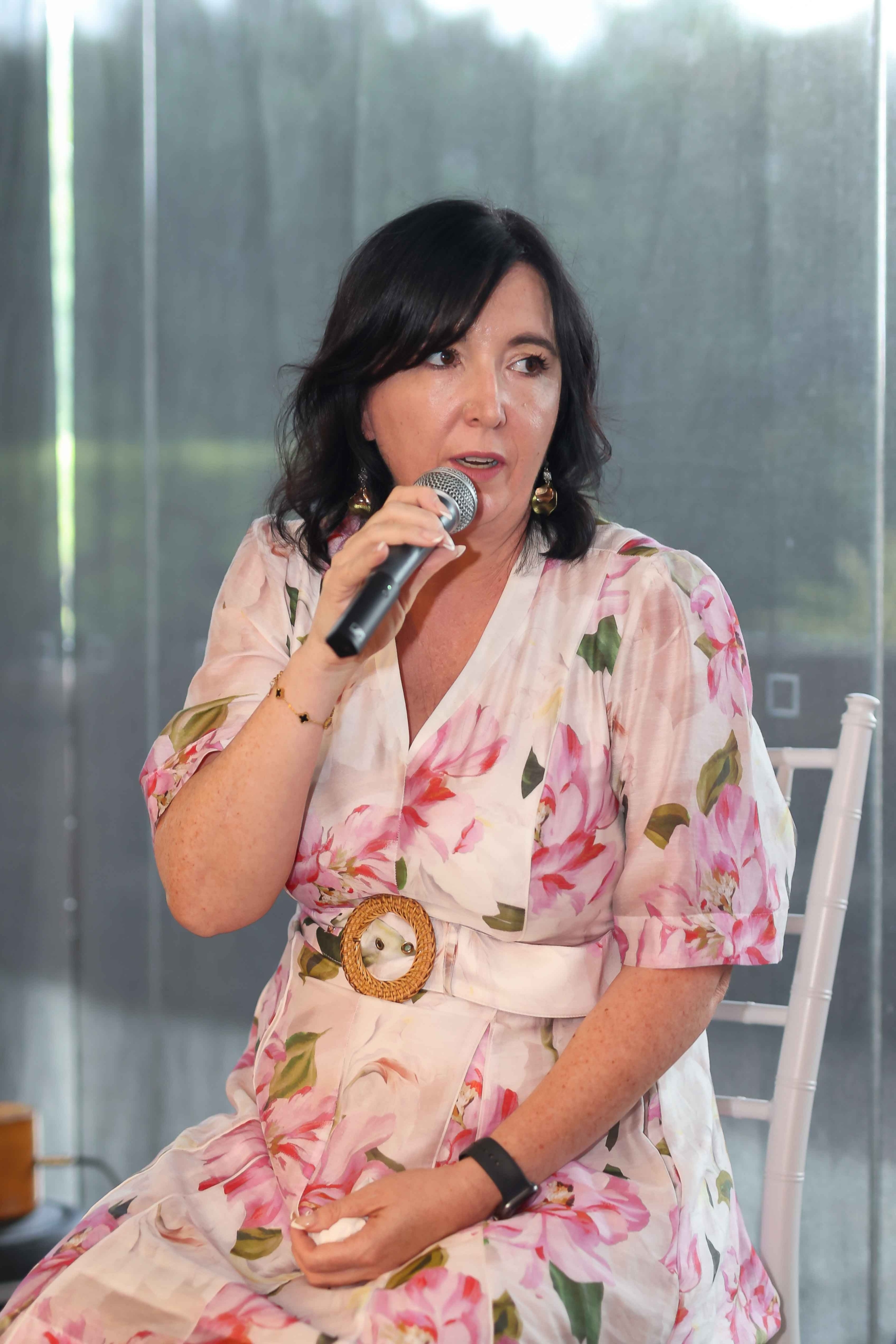
As she walked, unsure where she was going or what would happen next, a neighbour recognised her and stopped. It was a small act of kindness,; one that Sam has never forgotten. Looking back now, she sees that moment as the first of many people who quietly stepped into her life when she needed them most.
Returning home, however, didn’t last.
Months later, after another violent assault left her with a broken nose, thirteen-year-old Sam made the heartbreaking decision to leave for good. Home had become more dangerous than the uncertainty waiting beyond its front door.
With nowhere else to go, she survived however she could. Some nights she stayed with friends. Other nights, she slept wherever she could find somewhere safe.
“I was so scared of ending up back there that I’d sleep in public toilets because I could lock the door.”
It’s an image that’s difficult to imagine—a thirteen-year-old girl choosing the floor of a public toilet over her own home—but for Sam, it made perfect sense.
“I never felt desolate because home was worse.”
Home wasn’t where she felt safest,; the public toilet was.
“There was one night I slept under a bridge. It was really scary. That’s why I went back to the toilets. At least I could lock the door.”
Despite everything she was carrying, Sam never gave up on school.
“I only missed one day.”
School became the one place where life felt normal, even if no one knew what was really happening once the bell rang at the end of the day.
“I felt a lot of shame. I told everyone I was staying somewhere because I was terrified people would know I was homeless.”
Like so many young people experiencing homelessness, she became skilled at hiding the truth. Every day, she did everything she could to appear like everyone else. Behind the scenes, life was a constant struggle.
“I’d go at five o’clock in the morning and nick a loaf of bread after it had been delivered to the local shop.”
Then, one teacher noticed but they didn’t make a fuss. They simply recognised that something wasn’t right and helped Sam apply for a homelessness allowance. It was another seemingly ordinary act of kindness that would change the course of her life and with that support, she was finally able to rent somewhere to live.
“I ended up getting a caravan for myself. I look at my daughter who’s fourteen now and think, ‘What the hell? How did I do that?'”
The caravan wasn’t much. It had a tiny kitchen, a small table, one double bed and two single beds, but to fourteen-year-old Sam it represented something she hadn’t experienced in a very long time -safety.
For the first time since leaving home, she had somewhere she could call her own. It didn’t stay just her home for long. When her younger sister Angela* was also forced to leave home, she moved into the caravan too. Not long afterwards, their mother arrived with Sam’s four-year-old sister.
“She basically said, ‘You think you’re big and tough looking after yourself? Try doing this.'”
Then she drove away.
Overnight, the responsibilities resting on Sam’s shoulders became almost unimaginable. While she was still trying to finish high school, she suddenly found herself caring for a four-year-old, organising childcare so she could attend school and doing everything she could to create a stable home for her sisters.
Life in the caravan wasn’t easy. While Sam was at school, her mother would sometimes break in.
“She’d steal my food or trash the place.”
Even now, she shares those memories without anger or resentment. They are simply part of her story. Despite everything happening around her, every morning she got dressed, went to school and kept putting one foot in front of the other.
Eventually, after years of legal battles, Sam’s father succeeded in bringing her and Angela to live with him in Sydney. For the first time in years, she was physically safe but that didn’t erase everything she had experienced.
“I’ve done a lot of therapy,” Sam says.
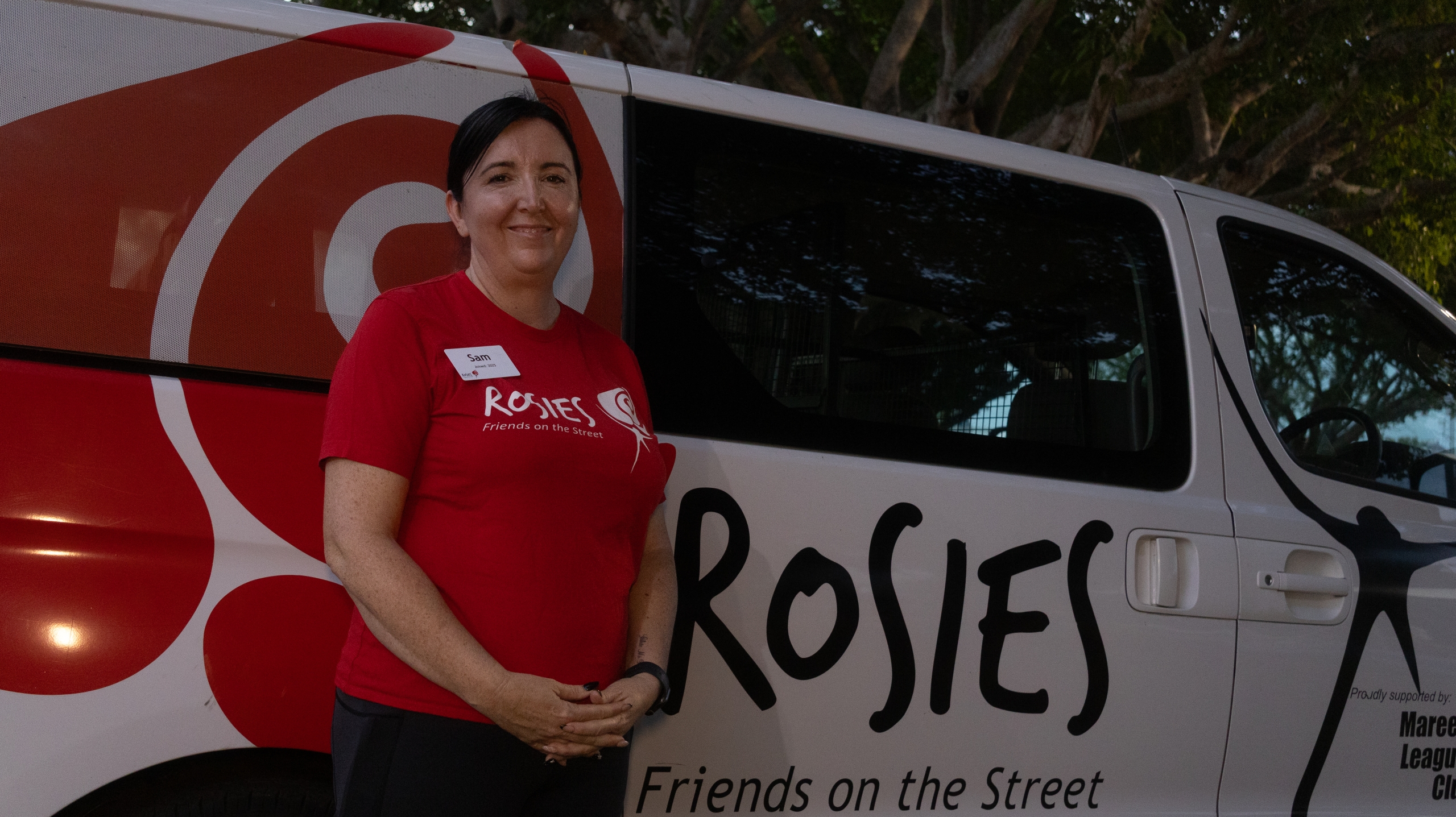
The years she spent living in survival mode had shaped the way she saw the world. Even now, she instinctively reads the people around her, noticing the things others often miss.
“If I didn’t know what mood my mum or stepfather was in, I was screwed.”
That constant need to anticipate danger became second nature.
“I’m very hypervigilant. I pick up on people’s energy really quickly.”
Trauma, she has learned, doesn’t simply disappear when circumstances change. Healing takes time. After everything Sam has endured, there is no harshness in her voice or demeanor only compassion.
“I wish someone had fought for my mum., If someone had fought for her… maybe someone could have fought for me.”
It’s an extraordinary perspective. Rather than dwelling on the pain she experienced, Sam wonders what might have been different if someone had recognised that her mother needed help too. That compassion has become one of the defining qualities of her life.
Years later, when Sam decided to become a teacher, another challenge lay ahead. Although she had escaped the violence of her childhood, the doubts that had been planted there were much harder to leave behind.
“There were times I thought, ‘My mother was always right. I’m not going to be able to do this.'”
The degree that might have taken someone else four years took Sam almost ten. Not because she wasn’t capable, because years of trauma had convinced her she wasn’t.
With the encouragement of her husband and psychologist, she kept going. One assignment, one semester, one year at a time.
“I know I’m a great teacher now,” she says with a quiet confidence that has been hard earned. “I know I’ve helped a lot of kids.”
Her lived experience has given her something no university could ever teach. When a young person is struggling, she doesn’t see difficult behaviour or poor choices. She sees a child who may be carrying more than anyone realises.
“I remember exactly how those feelings felt,” she says. “When a young person is struggling, I don’t tell them to get over it. I understand.”
Years after leaving home, Sam discovered something she had never known. Parents of children at her school had quietly packed extra lunches for their own children so there would be enough to share with her. She still becomes emotional talking about it.
“I always wanted to give back because I knew there were people in my life who cared.”
As she reflects on those years now, it’s not the fear she remembers most- it’s the people.
The neighbour who stopped when she was walking alone.
The teacher who quietly helped her access a homelessness allowance.
The church members who brought food to the caravan.
Small acts of kindness, offered without expectation or recognition, became the moments that helped carry her through.
Most of those people will probably never know the difference they made. Sam never forgot.
Today, those memories are what bring her to Rosies each week.
She doesn’t volunteer because she feels sorry for people experiencing homelessness. She volunteers because she remembers exactly what it feels like to be frightened, to feel invisible and to wonder whether anyone cares.
“I know how humble you become when you’re homeless,” she says. “There’s a lot of shame.”
She understands something that can’t be taught in a textbook or learned from a training session. She knows that every person who approaches a Rosies outreach has a story, and that very few of those stories are visible on the surface.
“I never wanted people to feel sorry for me. I just wanted someone to care.”
It’s a simple sentence, but it says everything.
Sadly, Sam’s story is far from unique. Every night across Queensland, Rosie’s’ volunteers meet children, young people and adults whose journeys into homelessness are complex, painful and often hidden in plain sight. Behind every conversation is a story that most of us will never fully know. Sam understands that better than most.
She knows what it’s like to carry shame, to hide the truth and to feel as though no one could possibly understand what you’re going through. She also knows how profoundly a small act of kindness can change the course of someone’s life.
Once upon a time, she was the young girl who simply needed someone to care. Today, she’s one of the people standing beside a Rosies outreach van, offering that same kindness to someone else. Because Sam knows, perhaps better than anyone, that while we can’t change a person’s past, we can change how they experience today.
If you’d like to help support people like Sam, please donate now.


